Most people meet Laos at the table — sticky rice, larb, a pounded salad with real heat. This one starts in a cup, an hour's climb above Pakse, where the hot Mekong lowlands give way to a cool green plateau covered in coffee bushes. If you have ever wondered why travellers keep carrying bags of Lao coffee home, this guide to the Bolaven Plateau explains it beautifully.
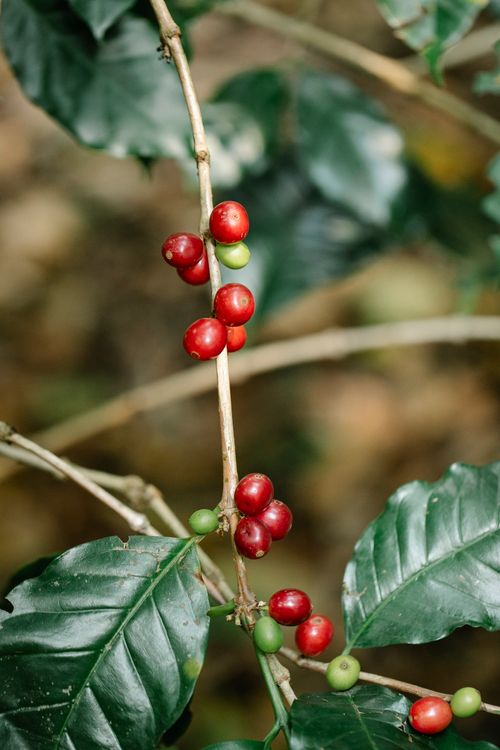
The Bolaven is an ancient volcanic highland in Champasak province, sitting roughly 1,000 to 1,300 metres up. That altitude is the whole story: rich volcanic soil, heavy rain, warm days and cool nights let the cherries ripen slowly and build sugar, which means denser beans and more flavour. It is why this one corner of southern Laos grows almost all of the country's coffee.
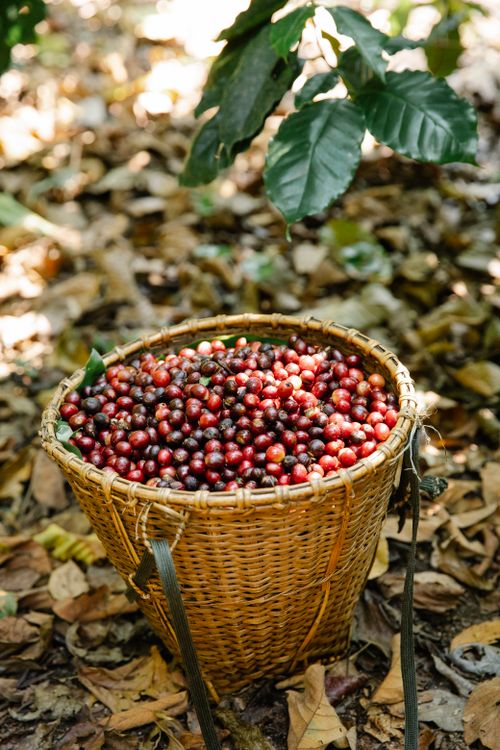
Coffee arrived with French planters in the early 1900s, who planted the first estates around Paksong. The estates remain part of the picture, but the heart of Bolaven coffee today is the small family farm — thousands of Lao, Laven and other local families picking by hand and drying the harvest on raised beds and mats outside their homes, so that in harvest season whole villages smell of fermenting fruit and woodsmoke.
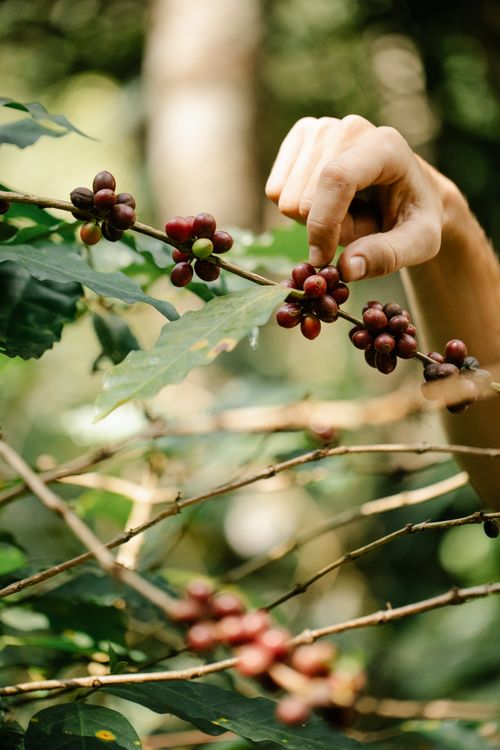
Three coffees grow on the one plateau. Arabica, planted highest, is the prized bean — smoother and more aromatic, with gentle chocolate and nut notes. Robusta, grown lower and in far greater volume, is the bold, highly caffeinated workhorse behind the traditional sweet Lao coffee served in markets. And liberica, the old planting, survives in smaller amounts — big beans with a smoky, woody character that older drinkers still swear by. Everyday Lao coffee is usually a dark-roasted blend built on robusta; a newer generation of plateau roasters also offers lighter washed and natural-process arabica, and the original post recommends trying the two styles side by side.
The classic serve is strong and sweet: ground coffee brewed through a cloth sock filter, poured over a thick layer of sweetened condensed milk, and stirred into something rich and silky — or poured over a tall glass of cracked ice, which the post calls one of the great refreshments of the south. The home recipe it shares follows the same logic: brew the coffee far stronger than feels sensible, sweeten with condensed milk, and remember the balance secret — if the cup tastes flat, the fix is stronger coffee, not more sugar. Bold first, sweet second.
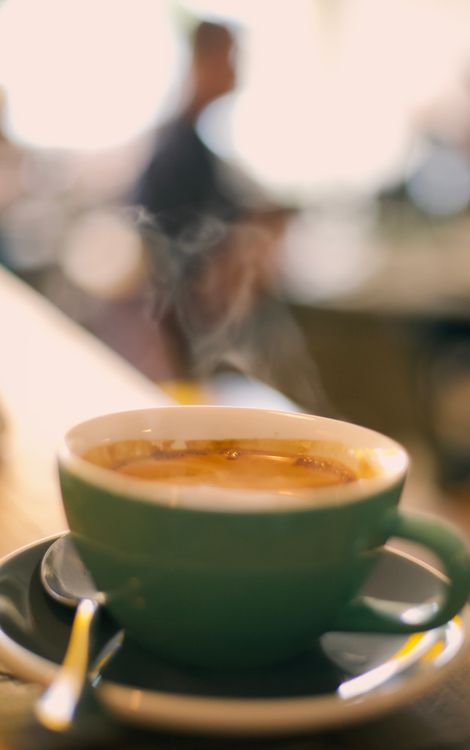
And that is why Bolaven coffee travels home with so many visitors: bought at a farm gate in Paksong or a stall in Pakse market, it is a souvenir that actually gets used — every cup back home bringing back the cool air, the waterfalls and the red cherries in the sun.
Full story: Food From Northern Laos — Bolaven Coffee: Laos' Highlands in a Cup


0 Comments