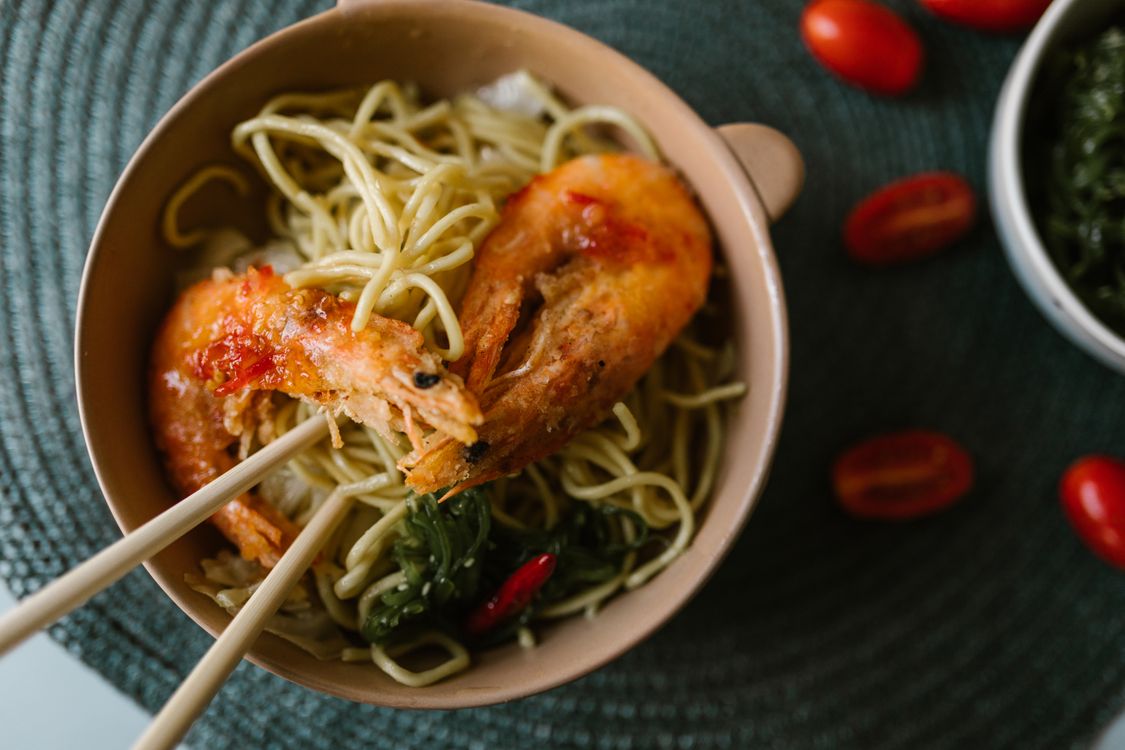
Walk into a busy Old Town noodle shop at lunch and you will hear the same order over and over — Hokkien mee, extra egg. It is Phuket's signature noodle bowl, and once you have had a proper one you understand why locals judge a new shop by it.
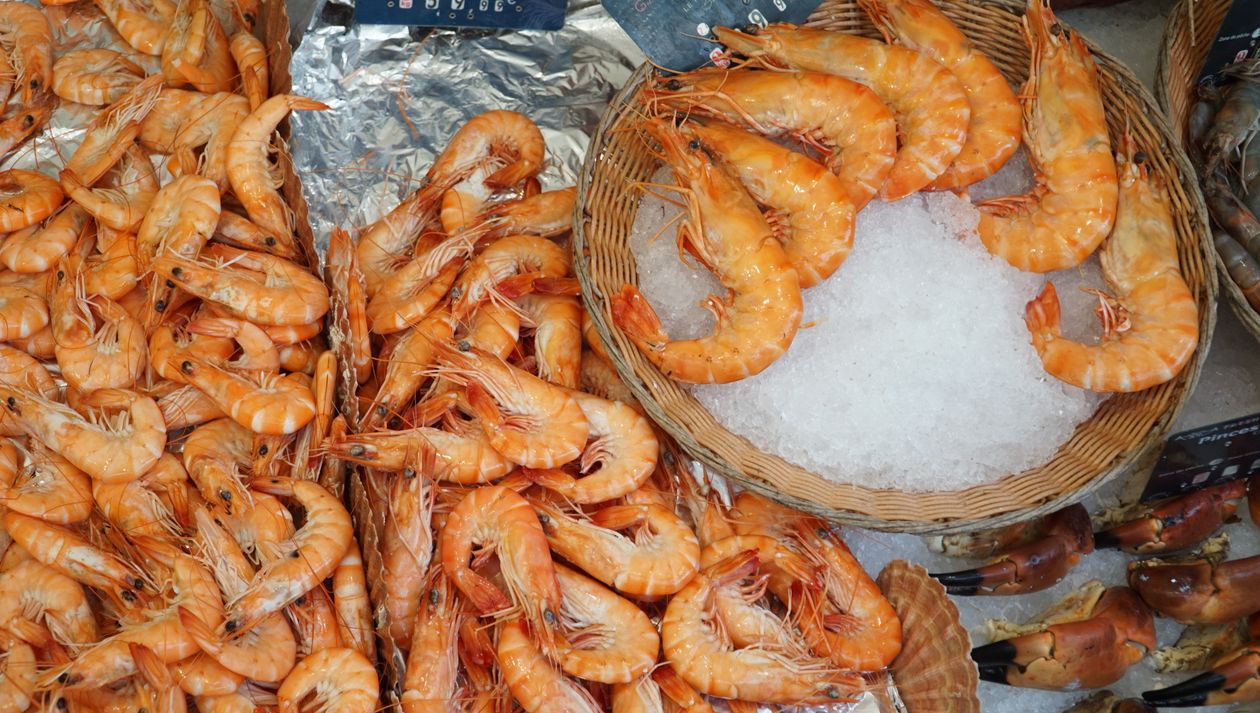
What lands in front of you is thick, round yellow noodles that have been wok-fried and then briefly braised in a rich prawn-and-pork stock, so the bowl is saucy without being a soup. Through the noodles are prawns, squid, sliced pork, fish cake and leafy greens, and on top — in the places that do it right — a soft egg whose yolk breaks and makes the whole gravy silkier. The dish tells Phuket's history in a bowl: Hokkien Chinese families who came for the tin boom, by way of Penang and Malaya, brought the cooking with them, and it met Malay ingredients and Thai heat here.
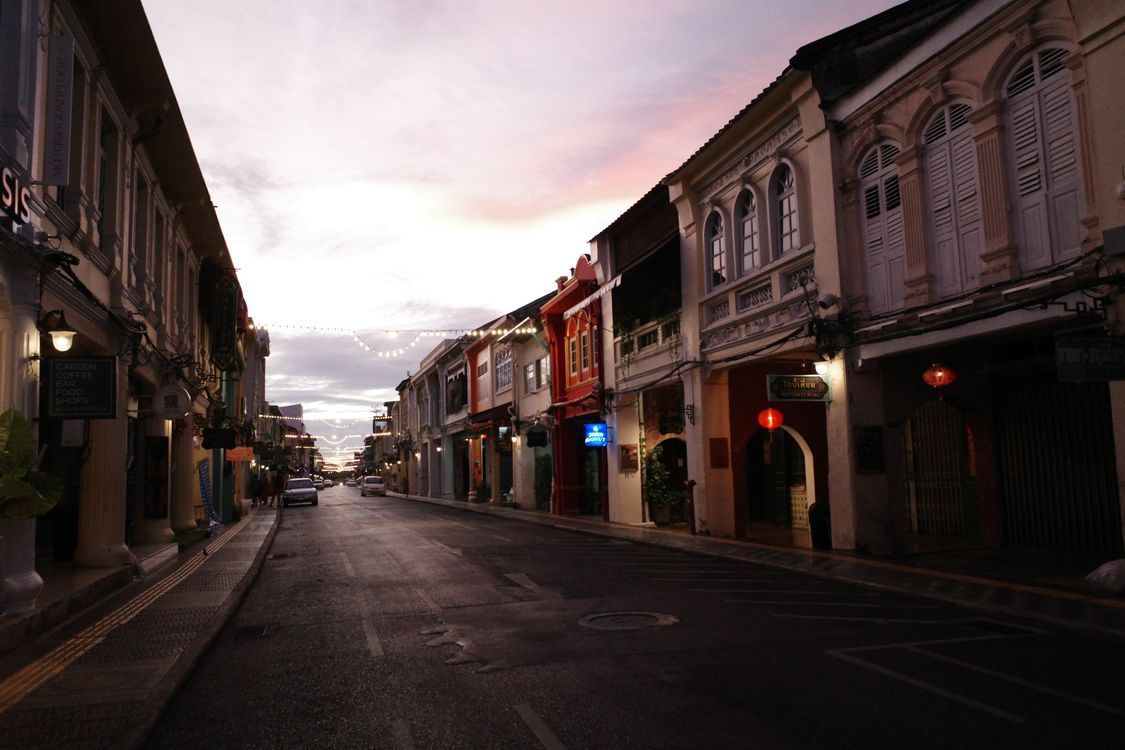
It is not the same as its cousins. Penang's version is a fiery prawn soup; Singapore's fried version is drier and leans on sambal and lime. Phuket sits between them — fried, generously saucy, and finished with that egg, which here is not an extra, it is the point. Best advice from the source post: go where the Old Town lunch crowd is thickest, around the kopi shops and the Lock Tien area, order it with the egg, season it at the table with chilli, vinegar chillies and a squeeze of lime, and do not rush it.





0 Comments