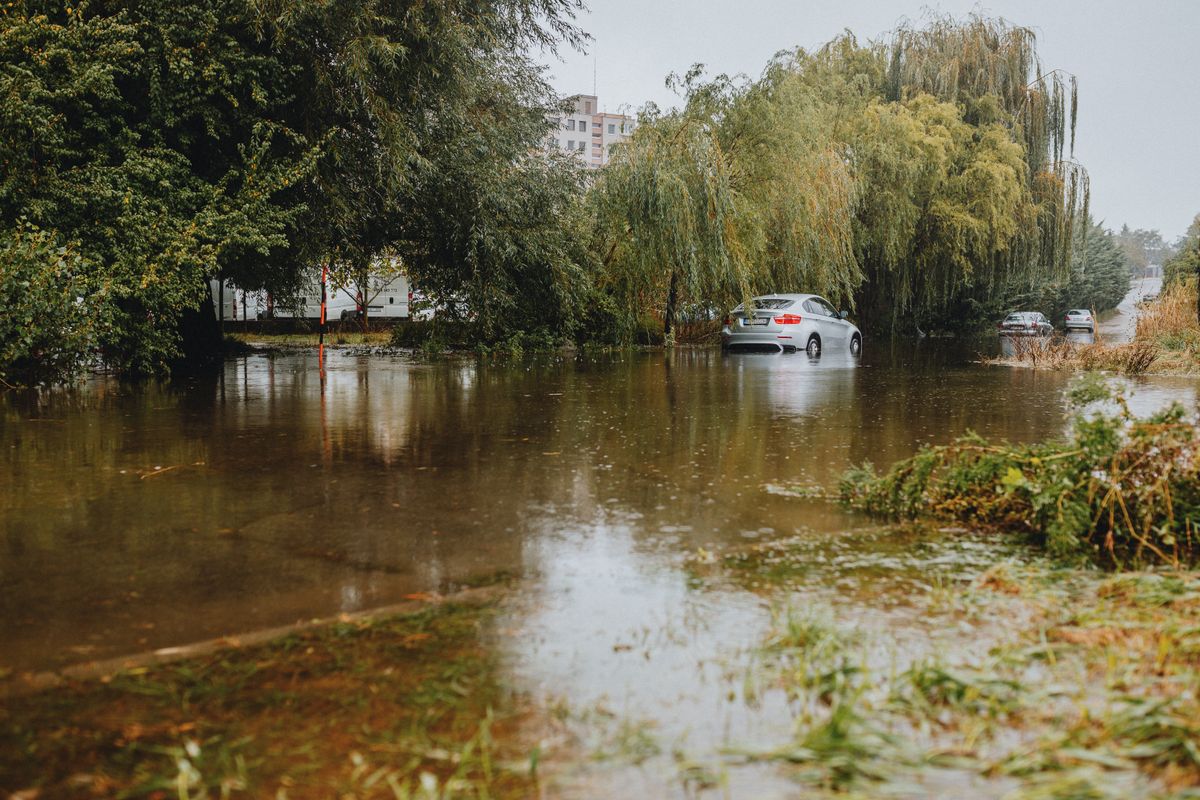
Ground-floor flats and houses in Phuket can be the best-value long stays on the island — garden doors, no lift queues, and rents that discount the floor number. They are also the homes that meet the rainy season first. This Phuket Rentals guide is the ten-minute checklist to run before you sign for one, and after an October of floods in Phuket, it is very timely reading.

The first lesson is that flood risk in Phuket is street by street, not town by town — two houses a few hundred metres apart can have completely different stories in a big storm. So the best research is a question, asked of neighbours rather than agents: last big rain, did water come into the houses on this soi? Then check the building's juristic office, and any soi or building chat group, searching for flood photos from the last storm season.

On viewing day, work through the physical checks: how high the living-room floor sits above the soi (even a 15 to 30 cm step up is a real defence), whether the ground slopes away from the house or towards it, whether the nearest drain covers are clear or choked, and the low clues inside — tide lines, bubbling paint at ankle height, mould behind ground-floor wardrobes. Note where the sockets and meter sit, how fast the garden drains after rain, and whether your only way out of the soi floods even when the house stays dry.

If you sign, the guide suggests a few sensible clauses: a flood early-exit with the deposit protected if water enters the living space, drainage and pump maintenance named as the owner's job, and notice of any road or drainage works on the soi. Living dry is then mostly habits — nothing precious stored on the floor, a plastic-box habit from September, sandbags ready on the worst nights, the air-con's dry mode against mould, and photographing everything the same hour if water ever does get in. None of it is a case against ground-floor living; it is a case for signing with your eyes on the threshold, the slope and the drain.


0 Comments